Why Delaying Tree Removal Can Cost You Thousands
Mature landscapes add beauty to residential properties. However, living organisms experience decline and death over time. A towering oak shifting from a robust asset to a decaying structure introduces severe risks to the environment. Property owners must recognize the signs of failing health in their foliage. Failing to act transforms a serene backyard into a financial hazard zone. Ignoring nature's decline is a gamble owners cannot afford.
Financial preservation demands proactive property maintenance. Individuals hesitate to cut down grand foliage due to emotional attachment or expense concerns. This hesitation allows decay to worsen, creating a precarious situation for nearby structures. By the time dead branches snap, the required budget multiplies. Utilizing tree service companies at the initial sign of trouble prevents minor expenses from becoming massive financial burdens. Intervention remains the logical approach to wealth preservation.
Overlooking Structural Damage Escalates Repair Bills
Root systems expand beyond the visible canopy to sustain large plants. As a dying plant struggles, underground roots seek moisture in invasive ways. Foundation walls become vulnerable targets for this aggressive growth. The pressure cracks concrete, compromising the structural integrity of the residence. Fixing a cracked foundation demands intensive labor, heavy equipment, and immense capital. Owners who ignore this hidden threat fund construction projects instead of yard maintenance.
Above ground, heavy limbs threaten roofing materials, gutters, and windows. A dead branch dropping onto a roof punctures shingles and shatters wooden rafters. Water intrusion follows such impacts, ruining interior ceilings, drywall, and belongings. Replacing a ruined roof demands substantial funding and forces families out of their homes. Preventative trimming or complete extraction eliminates this physical threat. Securing the airspace above a residence is a mandatory aspect of homeownership.
Underground plumbing faces similar peril from decaying vegetation. Thirsty roots breach sewer lines and water mains to access consistent hydration. Blocked or shattered pipes require massive excavation efforts to mend the infrastructure. Landscaping, driveways, and sidewalks must be torn apart to reach the damaged pipes. Owners bear the burden of these intensive plumbing restorations, which drain savings accounts in short order. Replacing pipes dwarfs the price of basic foliage management.
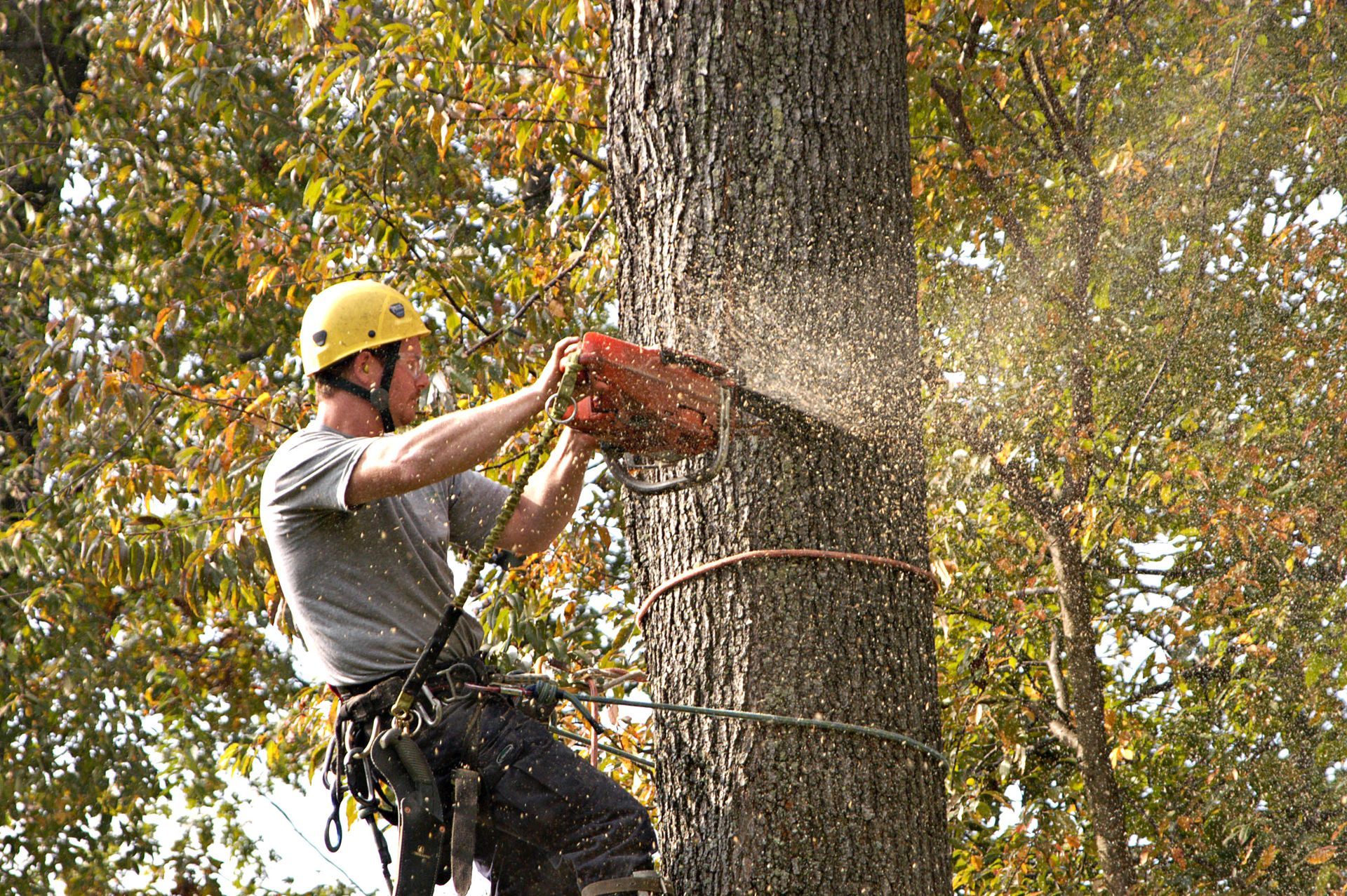
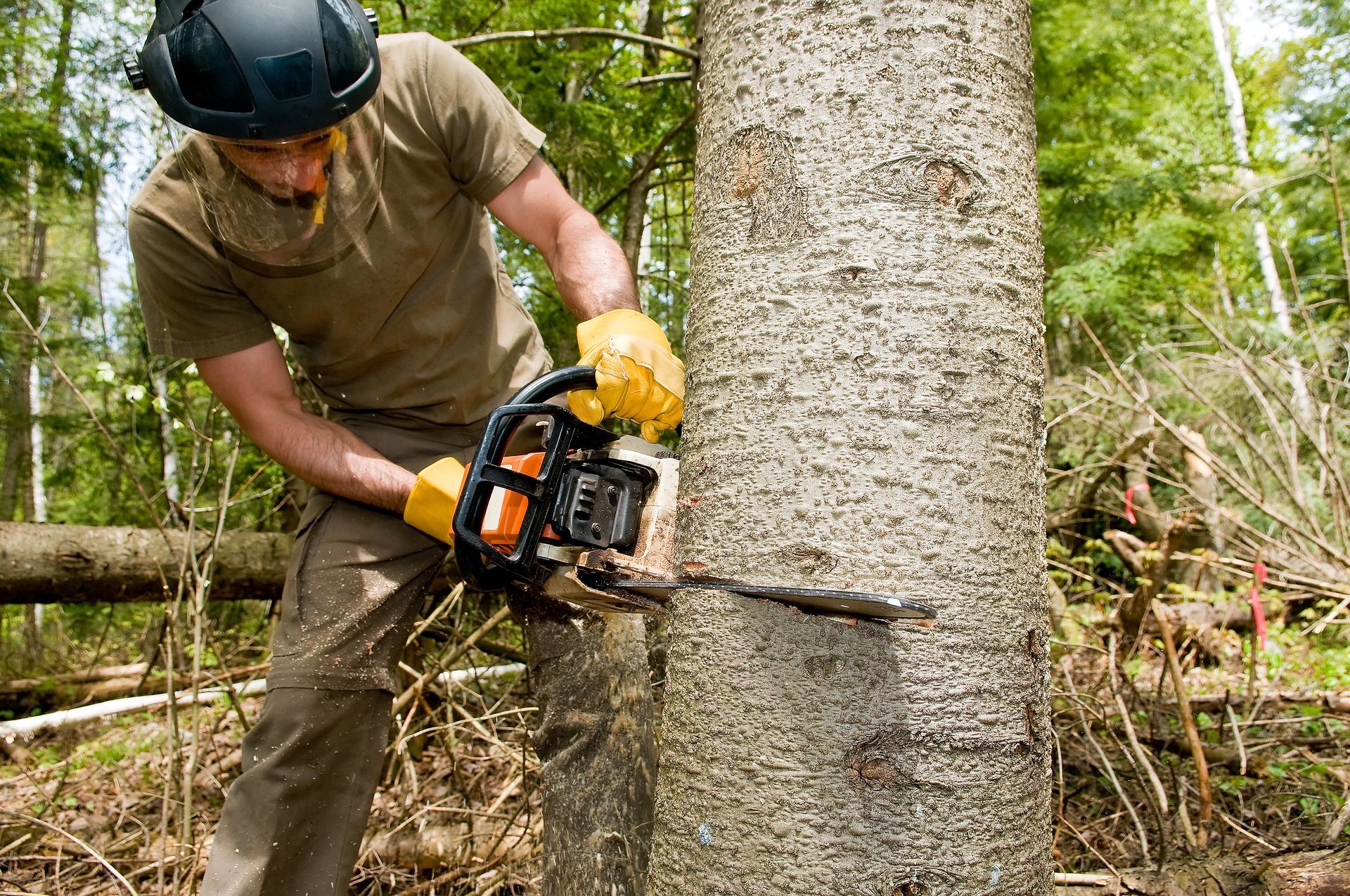
Addressing a compromised trunk before it collapses limits all aforementioned destruction. A controlled extraction process dictates the fall direction, protecting human-made structures from catastrophic impacts. Professional tree service companies possess the heavy equipment and rigging gear to dismantle large trunks section by section. This systematic approach guarantees the safety of surrounding foundations, roofs, and pipes. Removing the threat in a controlled manner is cheaper than rebuilding a crushed house.
Ignoring Disease Spread Multiplies Clearing Fees
Pathogens and pests ravage weakened vegetation with efficiency. Fungal infections thrive in decaying wood, sending invisible spores into the air to infect other plants. Wood-boring insects seek out compromised bark to lay eggs and establish massive colonies. These destructive forces refuse to remain confined to a solitary host. They migrate to healthy foliage nearby, turning a localized issue into an ecological disaster. Allowing disease to fester guarantees a wider infestation.
A localized problem transforms into a neighborhood issue. Ash specimens facing borer infestations succumb in groups, leaving properties barren. What begins as a localized extraction morphs into a massive land-clearing project. Owners face the grim reality of losing their curated landscape. The aesthetic and monetary value of the property plummets as the greenery turns to brittle, gray timber.
The financial toll of whole-property extraction is staggering for any budget. Heavy machinery, labor hours, and disposal fees compound with every additional infected plant. Stump grinding and land grading add further demands to the mounting invoices. Replanting and restoring the landscape requires another significant allocation of funds. Catching a disease in its infancy saves the surrounding ecosystem and the bank account.
Early identification of sickness remains the most economical strategy for landscape management. Arborists diagnose fungal infections and insect invasions before they breach the point of no return. Reputable tree service companies isolate the diseased host and execute a swift removal. Taking this action shields the remaining landscape and preserves the overall property value from pestilence. Paying for a solitary extraction is a minor inconvenience compared to clearing an acre of dead wood.
Postponing Hazard Mitigation Raises Liability Risks
Decaying wood possesses no structural integrity against the elements. Wind storms and ice accumulation push fragile branches past their breaking point. When a massive limb plummets, it endangers everything resting below the canopy. Vehicles parked in driveways suffer crushed roofs, shattered windshields, and bent frames. Replacing an automobile destroyed by falling debris creates an unnecessary financial strain. Preventative measures keep driveways clear of these massive wooden projectiles.
The danger extends to human life and neighborhood relations. A branch striking a pedestrian results in devastating physical harm and lawsuits. If a dead trunk crashes into a neighbor’s fence or garage, the original property owner bears the legal responsibility. Legal battles over negligence drain savings accounts and ruin reputations in the community. Juries favor the victim when a property owner ignores obvious signs of decay.
Insurance providers scrutinize claims involving neglected property maintenance. If an adjuster determines a homeowner ignored obvious decay, the provider might deny the coverage claim. Denied claims force individuals to pay for reconstruction with personal funds. Harboring dangerous vegetation prompts insurance providers to increase monthly premiums or cancel policies. Maintaining a safe yard is a prerequisite for maintaining affordable property insurance.
Mitigating these liabilities requires immediate professional intervention. According to Today’s Homeowner, trees that are 15 to 30 feet tall should be professionally removed. Attempting to bring down massive hazards without proper training invites disaster and further liability. Experienced tree service companies carry the necessary insurance and skill to neutralize overhead dangers without incident. Delegating this hazardous task to experts shields the property owner from legal ruin.
Delaying Emergency Action Inflates Service Rates
Extreme weather turns ignored maintenance into life-threatening crises. Blizzards and hurricanes test the limits of dead wood until it fractures. When a trunk snaps in the middle of a tempest, action becomes mandatory to secure the residence. Emergency dispatches mandate premium pricing due to the immense danger involved. Workers must brave hazardous conditions and operate in darkness to secure the area. The added risk translates into higher invoices.
The disparity in cost between scheduled maintenance and crisis response is massive. Regular extractions happen during daylight hours under predictable weather. Crews work with maximum efficiency and minimal risk to equipment. Conversely, midnight emergency operations require specialized lighting, hazard pay, and overtime compensation. Clients absorb these inflated operating costs when they demand immediate salvation from a fallen trunk. Proactive scheduling avoids these exorbitant crisis surcharges altogether.
Post-storm environments experience severe resource shortages across entire regions. Neighborhoods suffer damage at the same time, creating immense demand for clearing crews. This surge in demand allows service providers to command higher rates due to limited availability. Desperate homeowners pay premiums just to get a crew onto their property to assess the damage. Waiting for a storm to force action guarantees premium pricing and extended wait times for relief.
Budget-conscious individuals schedule yard assessments during calm seasons. Securing quotes when demand is low yields competitive pricing and flexible scheduling options. Planning an extraction secures favorable rates and guarantees prompt attention. Scheduling non-emergency visits with tree service companies ensures property safety without the excessive financial sting of a midnight crisis response. Foresight and planning remain the best tools for managing landscape maintenance budgets.
Ignoring decaying vegetation creates a cascade of severe financial consequences. Structural damage to foundations and roofs requires intense capital to repair. Unchecked diseases decimate entire landscapes, multiplying clearing fees as the sickness spreads. Contacting tree service companies before a disaster serves as a vital shield against these compounding expenses. If you are comparing tree service companies to handle your failing foliage, we are ready to step in and secure your property. Contact us at Woodworx Tree Removal LLC today, so we can safely eliminate those hazards before they drain your bank account.
Share On: