How to Tell if a Tree Has Become a Serious Liability
Trees bring shade, privacy, and natural beauty to residential and commercial properties across New York. However, when a tree loses structural integrity or suffers from progressive decay, it quickly transitions from a landscape feature into a major safety hazard. Heavy storms, strong winds, and age can turn compromised branches or failing trunks into dangerous liabilities for homes and nearby vehicles. Spotting early indicators of decline allows property owners to take proactive action before an unexpected collapse occurs. Regular visual checks are essential for maintaining safety around your outdoor living spaces. Booking a professional tree service helps evaluate potential hazards and safeguard your yard.
Identifying Structural Weaknesses
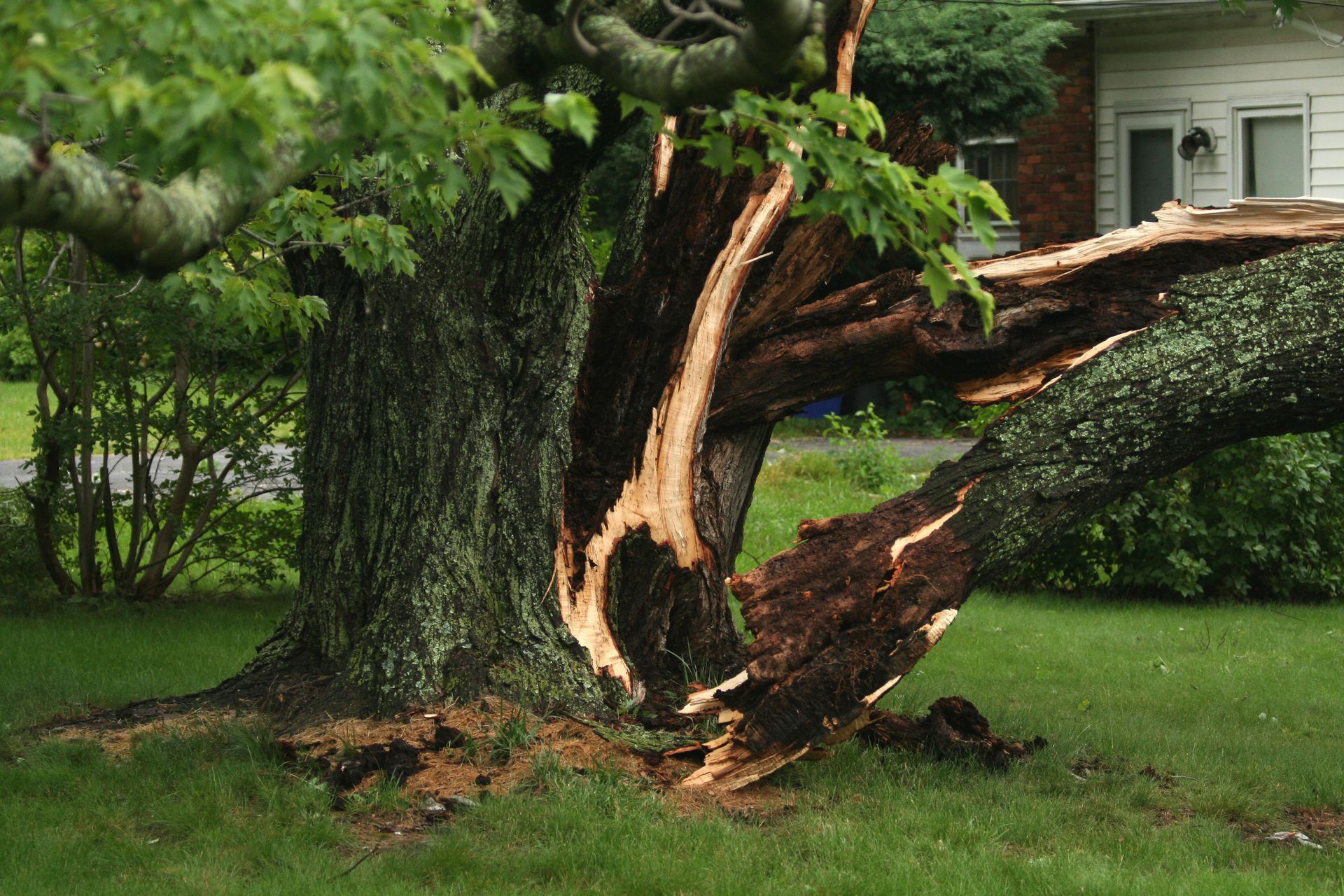
Deep cracks running along a trunk or thick scaffold branches indicate severe internal stress within the wood. Weather extremes, including heavy ice or strong gusts, often initiate these structural splits. Over time, moisture collects inside these openings, causing wood to rot and weakening the support capacity of the tree. When heavy limbs lose structural backing, sudden snapping can occur. Inspecting your yard after severe weather helps identify new fractures before they spread deeper into the trunk. Scheduling a reliable tree service ensures these structural cracks are evaluated accurately before limbs fall onto surrounding property.
Spotting Splits and Hollow Sections
Internal cavity formation and severe splits demonstrate that deep decay has eaten away at the core of a tree. While a tree can survive with partial hollows, significant loss of heartwood severely compromises its wind resistance. Fungal growth and pest invasions usually accelerate internal rot, reducing solid wood density. A tree with extensive internal cavities lacks the structural backing needed to survive strong seasonal winds. According to Today's Homeowner, removing a tree is necessary if it tilts past 15 degrees while showing visible root uplift. Protecting nearby structures requires identifying hollow trunks early to prevent failure.
Evaluating Leaning or Lopsided Growth
Not all leaning trees pose immediate threats, but a sudden tilt indicates severe underground failure. When roots snap or soil shifts following heavy rains, a tree loses its physical anchor. Uneven canopy distribution can also create unequal weight stresses, causing structural imbalance. Property owners should monitor any changes in trunk angles closely. Sudden shifts in trunk alignment require immediate evaluation to prevent unexpected ground failure. If a lean develops quickly, requesting an evaluation from a local tree service provides clear guidance on structural stability.
Recognizing Weak Branch Unions
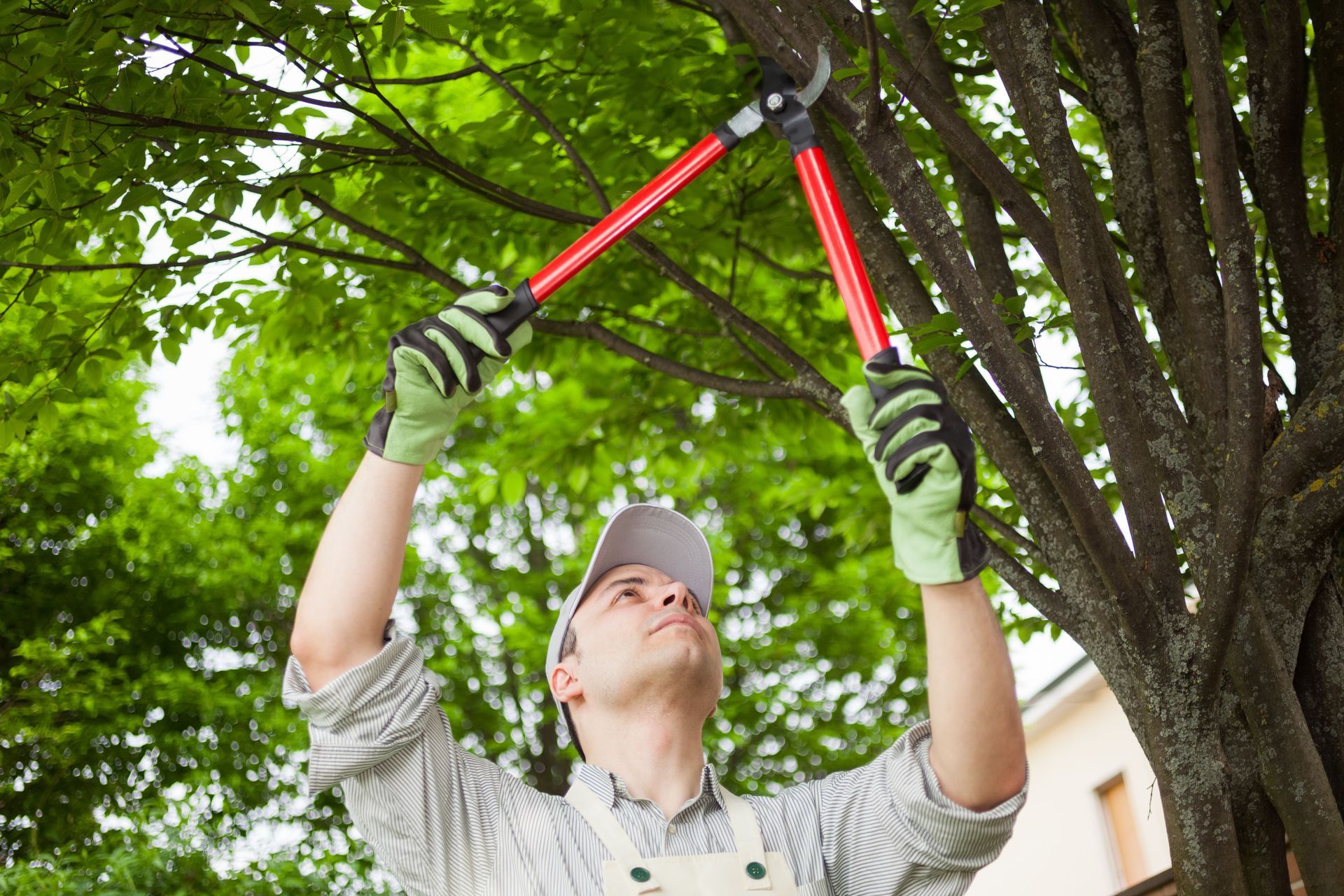
Branch unions shaped like narrow V-patterns are naturally weaker than wide, U-shaped attachments. As the tree grows, bark gets pinched between the tight joints, preventing solid wood connection. Under the strain of summer foliage or winter ice, these weak attachments frequently split apart. Trimming back heavy branches relieves pressure on vulnerable joints. Proper canopy management prevents heavy limbs from splitting off during unexpected windstorms. Professional pruning reduces structural strain, keeping overall branch architecture stable.
Inspecting Root Damage and Uplift
A tree relies on an expansive root system to anchor its full weight and absorb soil moisture. Nearby construction, soil compaction, and trenching can sever vital roots, leaving the structure unstable. Visible root uplift, marked by soil churning or raised ground near the trunk, signals imminent root plate failure. Protecting root zones during property projects preserves the structural anchor of your trees. Protecting your landscape requires immediate attention when roots show signs of physical upheaval.
Observing Health and Vitality Declines
Dead wood within a canopy presents an immediate safety risk to anyone walking below. Large, brittle limbs can drop without warning, even on calm days. When multiple branches lose bark and foliage, the tree is struggling to distribute water and nutrients effectively. Routine canopy trimming removes dangerous deadwood before fragile branches snap and drop. Removing deadwood through a routine tree service minimizes fall risks while improving light air circulation through the upper canopy.
Finding Sparse or Discolored Foliage
A healthy tree produces dense, vibrant leaves during the spring and summer growing months. Pale, yellowing, or thin foliage suggests nutrient deficiencies, restricted root absorption, or hidden pest activity. When a tree cannot produce adequate chlorophyll, energy reserves plummet rapidly. Monitoring leaf density helps homeowners detect health issues early and apply corrective care. Identifying foliage changes early allows property owners to address stress factors before canopy failure occurs.
Tracking Unusual Leaf Drop Patterns
Leaves falling out of season signal that a tree is experiencing environmental or biological stress. Premature summer defoliation often occurs when roots cannot supply sufficient moisture to meet atmospheric demands. Persistent leaf drop weakens overall defense mechanisms, leaving wood susceptible to secondary infections. Observing seasonal foliage patterns allows property owners to respond quickly to hidden tree stress. Watching for abnormal seasonal changes helps maintain long-term landscape health.
Managing Fungus and Pest Infestations
Wood-boring insects and parasitic fungi actively break down healthy tree tissue. Fine sawdust near the trunk base and small exit holes in the bark point to active insect presence. Fungal growth degrades structural cellular walls, turning solid wood spongy and weak. Addressing pest activity early keeps wood fibers strong and prevents widespread decay. Hiring a knowledgeable tree service helps control active infestations before structural integrity collapses.
Identifying Lack of New Growth
Healthy trees expand their canopy every year by pushing out fresh shoots and buds. A complete lack of spring growth indicates that internal energy stores are severely depleted. Stunted branch tips and missing buds reveal severe systemic decline across the vascular system. Evaluating annual branch growth provides valuable insight into the overall vitality of your trees. Prompt attention helps determine whether a declining specimen can recover or requires safe dismantling.
Spotting Signs of Tree Disease
Cankers are localized areas of dead bark caused by bacterial or fungal pathogens entering through wounds. These sunken lesions interrupt the movement of nutrients and water. As cankers expand around the circumference, they girdle stems and kill supported limbs above. Early intervention stops disease progression and protects the surrounding bark from further damage. Treating or removing infected wood prevents disease from spreading across adjacent landscape plantings.
Detecting Mushrooms Near the Base
Fungal fruiting bodies, such as mushrooms or shelf brackets growing around the root flare, indicate deep internal wood decay. These organisms feed on decaying root systems and heartwood, weakening structural support from the ground up. By the time mushrooms appear, internal structural loss is often extensive. Identifying fungal growth around root flares highlights hidden decay before structural failure occurs. Consulting an experienced tree service provides an accurate assessment of root system health.
Assessing Discolored or Peeling Bark
Bark functions as a protective shield against severe weather and insect pests. Peeling, cracking, or missing bark reveals underlying sapwood, leaving vulnerable tissue exposed. While some species shed bark naturally, unexpected shedding on trunks signals dead wood underneath. Keeping bark intact ensures the underlying wood remains protected against environmental threats. Protecting trees involves monitoring bark condition and insulating surrounding soil.
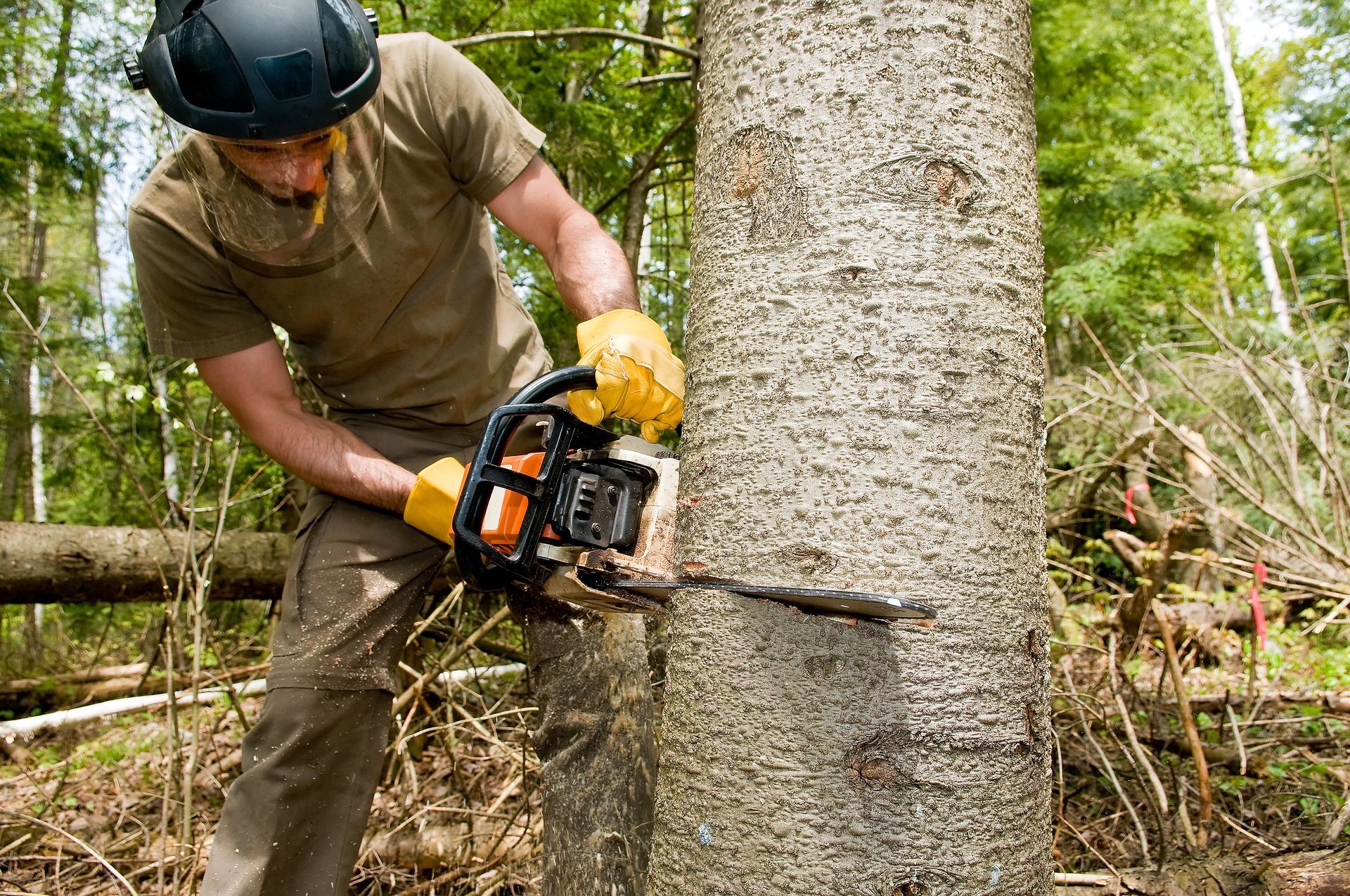
Recognizing the warning signs of tree failure prevents costly property damage and keeps your family safe. From structural trunk splits to hidden root rot, taking action at the first sign of decline protects your home and surrounding yard. Managing large, compromised trees requires specialized safety equipment, proper rigging techniques, and experienced field personnel. Partnering with a professional team ensures every project is executed efficiently and safely.
When you notice structural cracks, heavy leaning, or dead limbs on your property, professional assistance provides complete peace of mind. Working with an established local provider ensures your trees receive the attentive care they need to remain safe assets. Taking proactive steps today safeguards your property investment and maintains a beautiful, secure landscape. For reliable tree maintenance or emergency removals, contact Woodworx Tree Removal LLC today to schedule your service appointment.
Share On: